
Have questions about spots on your trees leaves?
Leaf Spots
Why are there spots on my tree leaves?
Leaf spots are a common issue that many tree owners encounter, affecting the health and appearance of their trees. Understanding the causes and effects of leaf spots is essential for effective tree care. Whether you're dealing with environmental stressors, fungal infections, or pest damage, our tree company is here to provide you with the guidance and solutions you need. With our expertise, we can help you identify leaf spot problems early and implement preventive measures to ensure your trees remain healthy and vibrant. Explore our services to learn how we can assist you in maintaining the beauty and vitality of your trees.
Let us help you
See our most frequently asked questions below.
Anthracnose
Anthracnose
A fungal disease that causes brown, irregular spots on leaves, and can also cause leaves to curl or cup. It's common in the Portland area, and can affect shade trees like dogwood, maple, oak, and ash.
Give plants plenty of room and good air circulation, and avoid overhead watering to limit wet leaves and fruit.
Physiological leaf spot
Symptoms resemble those of early fungal leaf spot infections. Small red to purple spots appear on leaves but do not develop the dark centers characteristic of fungal leaf spot infections. It causes little damage to plants, although some leaves may drop.
Do not plant in low-lying areas where cold air settles.
Plant in full sun.
Provide proper culture for plants. Healthy plants are less likely to be affected and can recover from injury more quickly.
Space plantings and prune to provide good air circulation in the canopy.
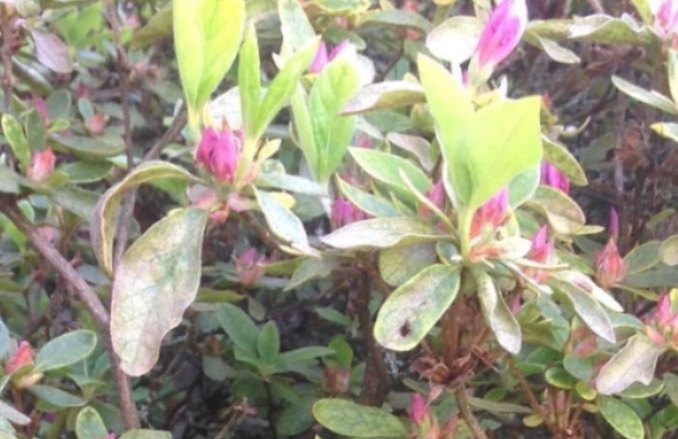
Lacewing insect
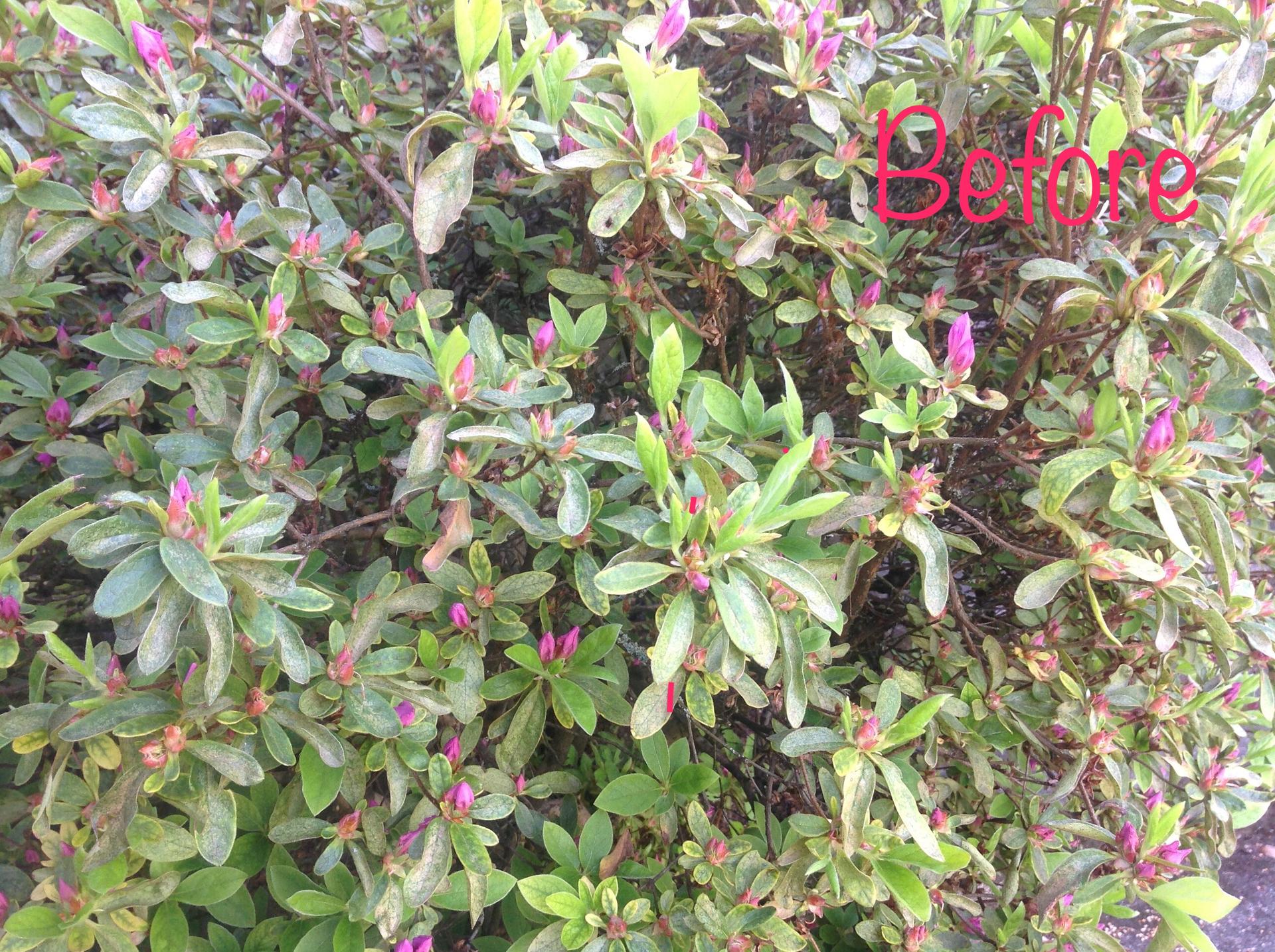
Lace bugs feed on individual cells of leaves, causing stippling on the upper surface and tar-like excrement on the lower surface. Heavily damaged leaves may turn yellow.
You can use insecticidal soaps, horticultural oils, or systemic insecticides to treat lace bugs. Horticultural oils and insecticidal soaps are toxic to nymphs and adults, but they don't kill eggs. Systemic insecticides like imidacloprid can be applied to the soil surface to kill lace bugs above.
Needlecast
Needlecast diseases caused by fungal pathogens such Lophodermium, Rhabdocline, and Rhizosphaera
This disease can be difficult to control. With proper treatment, there is hope for conifers infected by this fungal pathogen. Treatment includes pruning severely affected branches and disposing of fallen needles, followed by applying an appropriate fungicide in spring.
Verticillium Wilt
Verticilium wilt is caused by a soil-dwelling fungus that can cause water-transporting cells in the infected tree to shut down. This causes leaves to brown and die. Verticillium wilt usually only appears in damaged or otherwise stressed trees.
For systemic control of fungal diseases such as downy mildew, phytopthera and pythium in ornamentals and bedding plants. Also controls phytopthora diseases associated with sudden oak death. Controls pythium in turf. Can be applied as a foliar spray, soil drench, by soil incorporation, basal bark application
Looking for more information?
Still have questions?
Extra description, such as:
We'd be happy to help! Please call or Text 503-387-3035 or fill out our contact us form.